
Truck Accessory Buying Guide for Grille and Rack Upgrades
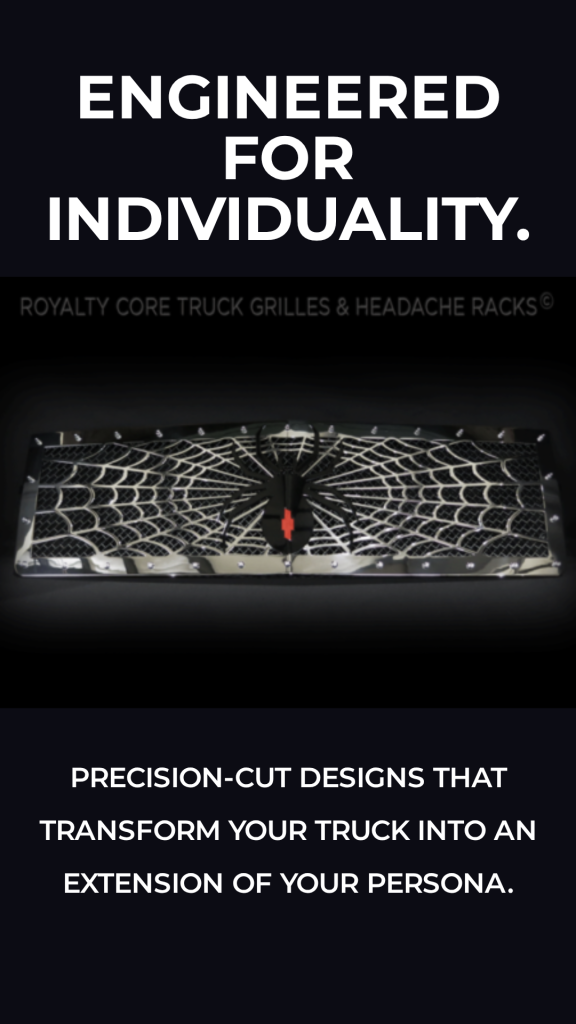
A grille or headache rack changes more than the way a truck looks. The right upgrade should match your truck’s year, make, model, trim, front-end configuration, finish preference, and how you actually use the truck. The wrong upgrade creates the opposite problem: poor fitment, extra returns, delayed installs, and a truck that looks pieced together instead of purpose-built.
This guide walks through what to check before buying a custom grille or headache rack so you can choose an upgrade with more confidence.
Start with Fitment, Not Style
Most buyers start with the look. That is understandable, but fitment has to come first.
A grille that fits one body style will not automatically fit another. Even trucks that appear similar can have differences between model years, trims, bumper packages, camera locations, parking sensor layouts, and emblem positions. Before choosing a design, confirm:
- Year, make, and model
- Trim level
- Front camera or parking sensor requirements
- Emblem size and position
- Bumper and front-end package
- Any aftermarket parts already installed
Do not assume “Ford F-150” or “Ram 2500” is specific enough. A clean install depends on the exact configuration.
Match the Grille to the Truck’s Purpose
A daily driver, work truck, show build, and tow rig do not need the same grille. That is where a lot of buyers make the wrong choice.
For a clean street build, the priority is usually design, finish, and how the grille works with the rest of the truck. For a work truck, durability and serviceability matter more. For a full custom build, the grille needs to match bumpers, lighting, wheels, badges, and any rack or rear-end accessories.
Ask yourself what you want the grille to do:
- Create a more aggressive front-end look
- Replace a damaged or outdated factory grille
- Match other blacked-out or color-matched accessories
- Support a custom build theme
- Improve the truck’s presence for business, events, or shows
The best upgrade is not always the loudest design. It is the one that fits the truck’s build direction.
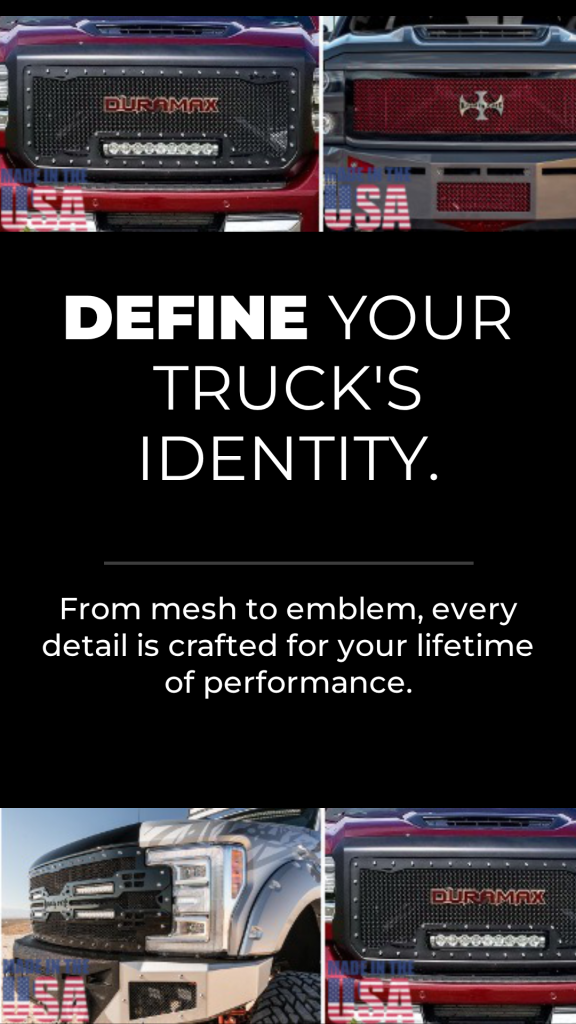
Fitment, finish, and build quality matter before choosing the final grille style.
What to Look for in Build Quality
A custom grille should feel like a real truck part, not a thin decorative cover. When comparing options, look at the details that affect long-term durability:
- Material quality
- Cut and weld consistency
- Mounting design
- Finish options
- Hardware requirements
- Edge quality
- Compatibility with factory components
Be careful with vague product listings that only focus on appearance. If the listing does not make fitment, material, finish, or install expectations clear, that is a red flag.
Royalty Core grilles are built for truck owners who want a custom front-end upgrade without guessing their way through the purchase. Before ordering, still confirm the product page details for your exact truck configuration.
Don’t Treat Finish as an Afterthought
The finish controls both appearance and durability. A grille sits at the front of the truck, which means it takes road debris, weather, bugs, washing chemicals, and sun exposure.
Common finish considerations include:
- Black powder coat for a clean, durable look
- Raw or custom finish options for builders who plan to paint or color-match
- Contrast finishes when the grille needs to stand out
- Matching the grille finish with bumpers, wheels, badges, and racks
The mistake is choosing a finish in isolation. A grille may look good by itself but clash with the rest of the truck. Think about the whole build, not just the part in the product photo.
When a Headache Rack Makes Sense
A headache rack is not only a visual upgrade. For many trucks, it adds function behind the cab and helps complete the build from front to rear.
A rack may make sense if you:
- Haul tools, equipment, or material
- Want added protection behind the cab
- Need a stronger work-truck appearance
- Want the rear of the truck to match the front-end upgrade
- Are building a more complete custom truck package
The key is choosing a rack that fits the truck’s use case. A rack chosen only for looks may not be the right choice for a truck that regularly hauls gear. A work-focused rack may be overkill for a mostly cosmetic build.
Grille and Rack Pairing: What Buyers Often Miss
A grille and headache rack do not need to match exactly, but they should look like they belong on the same truck.
Before buying both, compare:
- Finish color
- Design style
- Metal pattern
- Overall aggressiveness
- Truck color
- Wheel and bumper style
- Whether the build leans work, show, off-road, or street
This is where cheap upgrades usually fall apart visually. One part looks custom, another looks generic, and the truck loses cohesion. If you are investing in the front end, it makes sense to think about the full build.
Common Mistakes to Avoid
The most expensive mistakes usually happen before the part ever arrives.
Avoid these:
- Ordering by make and model without checking year, trim, and front-end details
- Ignoring camera, sensor, or emblem requirements
- Choosing the cheapest option without reviewing material and finish
- Buying a grille that does not match the rest of the truck
- Adding a headache rack without considering how the truck is actually used
- Assuming every aftermarket accessory installs the same way
- Skipping the product page details before ordering
A little extra checking upfront can prevent returns, install problems, and mismatched parts.
What Page to Review Next
After choosing a grille direction, review Royalty Core’s headache rack options here: Royalty Core Headache Racks.
If you are still deciding on the front-end look, start with the grille category and compare options for your specific truck: Shop Royalty Core.
Pre-Purchase Checklist
Before you order, confirm:
- Your truck’s exact year, make, model, and trim
- Whether your truck has front cameras, sensors, or special bumper packages
- The finish you want
- Whether the part matches the rest of your build
- Install expectations and hardware requirements
- Whether you are buying for appearance, function, or both
FAQ
Are Royalty Core grilles universal?
No. Fitment depends on the specific truck application. Always review the product details for your truck’s year, make, model, and trim before ordering.
Should I buy a grille or headache rack first?
For most builds, start with the grille because it defines the truck’s front-end appearance. Add a headache rack when you want more function, a stronger work-truck profile, or a more complete front-to-rear build.
Can I customize the look of my grille?
Royalty Core offers custom grille options and finishes. The available choices depend on the truck application and product line, so check the specific product page before ordering.
Do headache racks only matter for work trucks?
No. They are common on work trucks, but they can also complete the look of a custom build. The right choice depends on how much function you need and how you want the truck to look.
Conclusion
A custom grille or headache rack should not be an impulse buy. The best upgrade fits the truck, matches the build, and supports how the truck is actually used. Start with fitment, compare build quality and finish, then choose the design that makes the whole truck look intentional.