
Custom Truck Grilles: How to Choose the Right Style, Fit, and Finish
Custom Truck Grilles are essential aftermarket truck grilles designed to enhance both the appearance and functionality of your vehicle. Whether you're looking to replace a worn-out factory grille or simply want to upgrade for style, understanding the various options available can help you make an informed decision.
Who this guide is for
- Work Truck Owners: Need durability and functionality.
- Towing Enthusiasts: Require airflow and cooling considerations.
- Off-Road Adventurers: Seek rugged, sturdy designs.
- Style Seekers: Want to enhance their truck's appearance.
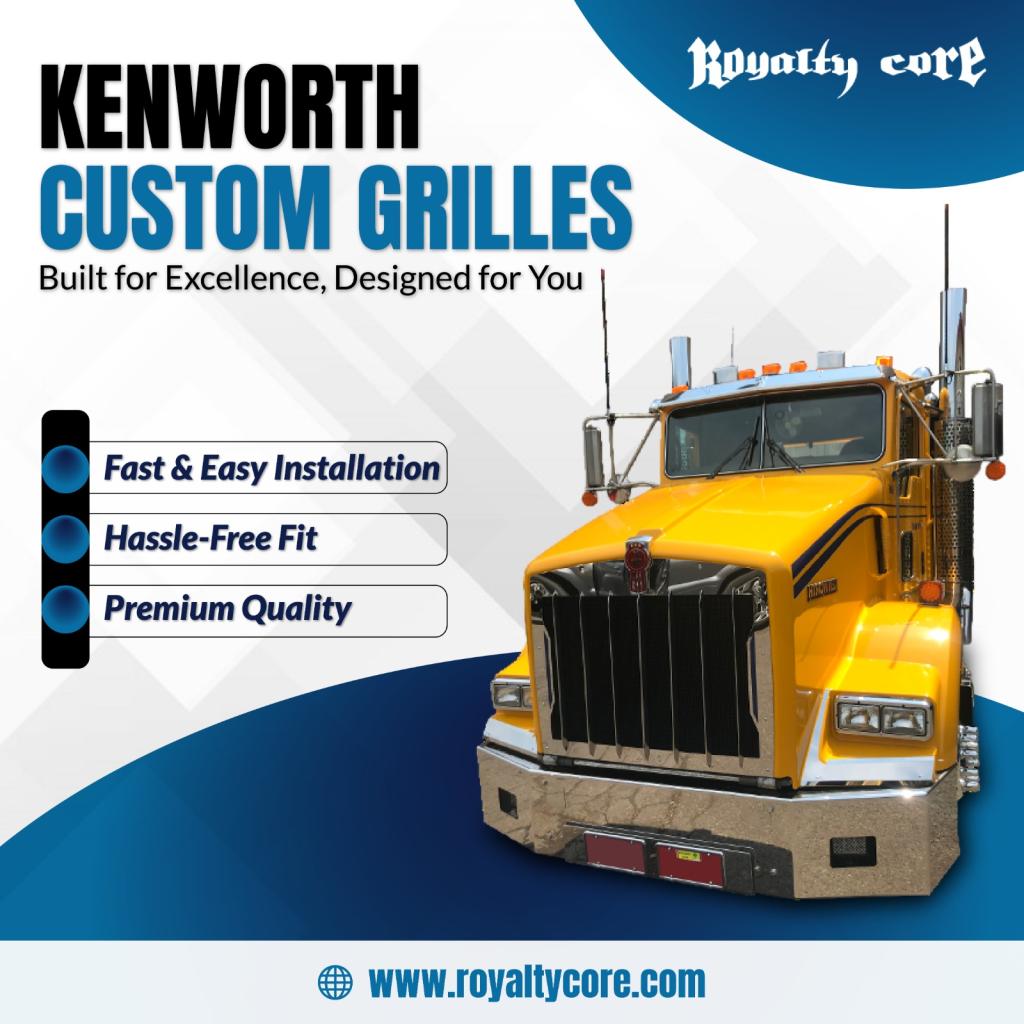
What are Custom Truck Grilles?
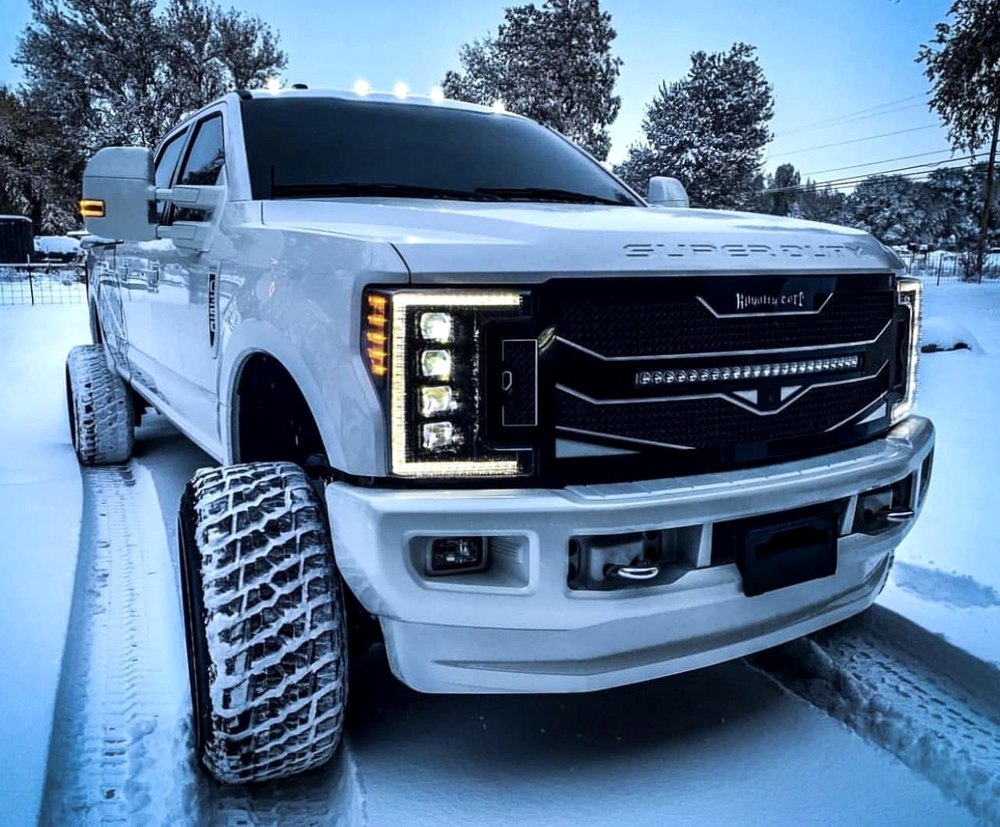
Custom Truck Grilles are aftermarket truck grilles designed to replace the factory-installed grille on your vehicle, providing both aesthetic and functional enhancements. Unlike OEM (Original Equipment Manufacturer) grilles, which are standard and uniform, custom grilles can be tailored in style, fit, materials, and finish to suit individual preferences and needs.
“Custom” can mean: - Style: Unique designs that fit your personal taste. - Fit: Grilles that accommodate specific vehicle models and features. - Materials: Options ranging from aluminum to steel, each offering distinct benefits. - Finish: Various coatings such as powder coat, anodizing, or paint to enhance durability and appearance.
How to Choose Based on Your Use-Case
Work & Fleet
- Durability: Opt for heavy-duty grilles made from robust materials like steel.
- Functionality: Look for designs that allow airflow for engine cooling.
Towing
- Airflow: Grilles with larger openings can improve engine cooling while towing heavy loads.
- Strength: Choose grilles that can withstand moisture and debris.
Off-Road
- Protection: Select grilles that offer protection against rocks and debris.
- Rugged Design: Look for styles that provide additional strength.
Winter / Salted Roads
- Corrosion Resistance: Grilles with a high-quality powder coat finish can resist rust.
- Ease of Cleaning: Consider designs that are easy to maintain in harsh conditions.
Style / Show Truck
- Aesthetic Appeal: Choose unique designs that stand out.
- Customization Options: Look for grilles that allow for further modifications or personalization.
Our Royalty Core Custom Grilles HERE
Materials & Construction That Matter
Billet vs Mesh vs Hybrid
- Billet Grilles: Offer a classic look with horizontal or vertical bars. Good for style, but airflow might be limited.
- Mesh Grilles: Provide better airflow and a modern look. Ideal for performance needs.
- Hybrid Grilles: Combine both styles for versatility.
Aluminum vs Steel
- Aluminum: Lightweight and resistant to rust but may not be as strong.
- Steel: Heavier and stronger, but can rust if not properly coated.
Coatings/Finishes
- Powder Coat: Offers excellent durability and a wide range of colors.
- Anodizing: Increases corrosion resistance, typically used for aluminum.
- Paint: Can be less durable but allows for more aesthetic customization.
Fitment & Compatibility Checklist
- Model Year: Ensure the grille fits your truck's specific year and model.
- Trim and Options: Check for compatibility with features like sensors and cameras.
- Airflow: Ensure the grille allows adequate airflow for your vehicle’s cooling system.
- Mounting Points: Verify that the grille has all necessary hardware for installation.
- Chevy/GMC: Check for sensor compatibility on newer models.
- Ford: Look for grilles designed for specific trims.
- Ram: Ensure that the grille accommodates any front-end sensors.
- Toyota: Verify fitment with the model’s unique shape.
Installation Overview (Safe + Practical)
Tools Needed
- Socket set
- Screwdrivers
- Torque wrench
- Safety glasses
Common Mistakes
- Not checking for fitment before installation.
- Over-tightening bolts, which can damage the grille.
Re-Torque and Inspection
- After installation, re-torque bolts after the first drive to ensure everything is secure.
- Inspect regularly for signs of wear, especially after off-road use or harsh weather conditions.
Maintenance & Longevity
Cleaning
- Use mild soap and water to clean your grille regularly.
- Avoid abrasive materials that can scratch the finish.
Touch-Up
- Keep a small amount of matching paint for any scratches or chips.
What to Inspect After Winter/Off-Road Use
- Look for signs of corrosion, especially in areas with road salt exposure.
- Check for loose fittings or damage from debris.
FAQs
1. Are custom truck grilles street legal?
Yes, as long as they comply with local regulations regarding visibility and safety.
2. Will a custom grille affect airflow?
Some custom grilles are designed to improve airflow, but it's essential to choose one that maintains adequate cooling for your engine.
3. Can I install a custom grille myself?
Yes, many custom grilles are designed for easy installation, but ensure you have the right tools and follow the instructions.
4. How durable are aftermarket truck grilles?
Durability varies by material and finish; steel grilles tend to be more robust than aluminum.
5. Do custom grilles come with a warranty?
Most manufacturers offer warranties, but check the specific terms for the grille you choose.
6. How often should I clean my grille?
It's advisable to clean your grille at least once a month, especially during winter or after off-road use.
7. What are the benefits of upgrading to a custom truck grille?
Upgrading to a custom truck grille can enhance your vehicle's aesthetic appeal, improve airflow for better engine performance, and provide added protection against debris and harsh weather conditions.
8. Can I customize the finish of my custom truck grille?
Absolutely! Many manufacturers offer a variety of finishes, including powder coat, anodizing, and paint, allowing you to choose a look that matches your truck's style.